 русский
 Français
 日本語
日本語 বাংলা
বাংলা 한국어
한국어 Tiếng Việt
 Latine
 ไทย
ไทย عربى
عربى Hrvatski
 čeština
 dansk
dansk Nederlands
 Suomalainen
 Pilipino
 Deutsch
 Magyar
 Indonesia
 فارسی
فارسی italiano
 Bahasa Melayu
 Gaeilge
 norsk
norsk Português
 Polskie
 Română
 Slovák
 svenska
 Türk
Türk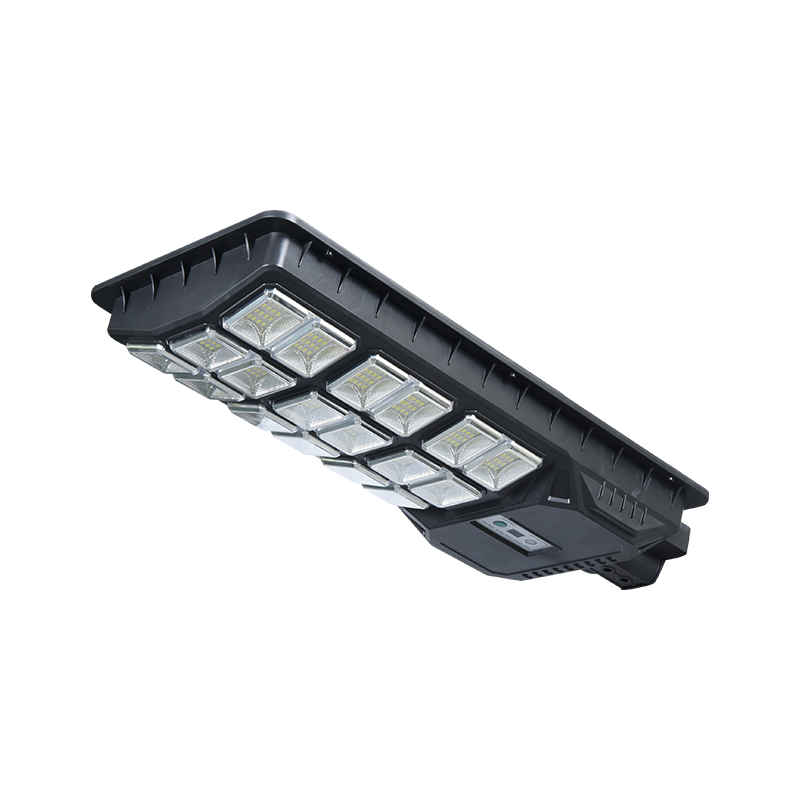
13777012108-86+
(WhatsApp/WeChat)
عصر جمعه در دادگاه محله، نیمی از بازیکنان دیگر نمی آیند. سبد دور در سایه قرار می گیرد، قطب نور......
READ MORE
تحت شرایط عملیاتی معمولی، شارژ کامل نور خورشیدی می تواند روشن بماند برای 6 تا 12 ساعت در شب . چراغهای پایه باغ در سطح ورودی معمولاً 6 تا 8 ساعت کار میکنند، در حالی که مدلهای متوسط و با کارایی بالا با پنلهای خورشیدی بزرگتر و باتریهای با ظرفیت بالاتر، 10 تا 12 ساعت یا بیشتر را ارائه میکنند. برخی از چراغ های خورشیدی درجه یک طبقه نور افکن با توان خروجی پانل بالای 20 وات قادر به حفظ روشنایی تا حداکثر می باشند. 14 تا 16 ساعت با شارژ کامل تابستان در مناطق بهینه نور خورشید.
با این حال، این محدوده ثابت نیست. زمان واقعی اجرا در هر شب به چند ساعت نور موثر خورشید در آن روز، ظرفیت باتری و مواد شیمیایی، دمای محیط، وات LED انتخاب شده و اینکه حالتهای فعالسازی حرکتی یا کم نور استفاده میشوند بستگی دارد. درک این متغیرها کلید دریافت عملکرد روشنایی قابل پیش بینی و قابل اعتماد از هر سیستم نور خورشیدی است.
نور خورشیدی بر اساس یک تعادل انرژی مستقیم کار می کند: پانل انرژی را در طول روز جمع آوری و ذخیره می کند، و LED پس از تاریکی از انرژی ذخیره شده استفاده می کند. مدت زمان روشنایی در شب مستقیماً با مقدار انرژی ذخیره شده نسبت به سرعت پایین کشیدن LED تعیین می شود.
خروجی پنل خورشیدی بر اساس استانداردی به نام ساعات اوج خورشید (PSH) اندازهگیری میشود که به عنوان تعداد ساعاتی در روز که در طی آن تابش خورشیدی به طور متوسط تعریف میشود، اندازهگیری میشود. 1000 وات بر متر مربع (منبع: آزمایشگاه ملی انرژی های تجدیدپذیر، داده های منابع خورشیدی NREL، 2023). مقادیر جهانی PSH به طور قابل توجهی بر اساس مکان و فصل متفاوت است:
| مکان | میانگین PSH سالانه | تابستان PSH | زمستان PSH |
| فینیکس، ایالات متحده آمریکا | 6.5 ساعت | 7.5 ساعت | 5.5 ساعت |
| لندن، انگلستان | 2.8 ساعت | 4.5 ساعت | 1.0 ساعت |
| سیدنی، استرالیا | 5.1 ساعت | 6.2 ساعت | 3.8 ساعت |
| دبی، امارات | 6.0 ساعت | 7.0 ساعت | 5.0 ساعت |
| توکیو، ژاپن | 3.8 ساعت | 4.5 ساعت | 2.9 ساعت |
| نایروبی، کنیا | 5.5 ساعت | 5.8 ساعت | 5.2 ساعت |
منبع: اطلس جهانی خورشیدی، گروه بانک جهانی، نسخه 2023.
نور خورشیدی نصب شده در فونیکس در تابستان بیش از هفت بار ورودی شارژ همان واحد نصب شده در لندن در زمستان. این به طور مستقیم به زمانهای شبانه بسیار متفاوت برای یک محصول در مکانها یا فصول مختلف ترجمه میشود، که توضیح میدهد که چرا بسیاری از کاربران در عرضهای جغرافیایی شمالی، نوری کوتاهتر از حد انتظار را در ماههای زمستان گزارش میکنند.
رابطه بین شارژ و زمان اجرا را می توان به سادگی به صورت زیر بیان کرد:
زمان اجرا (ساعت) = ظرفیت باتری (وات ساعت) تقسیم بر مصرف برق LED (W)
به عنوان مثال، یک چراغ خورشیدی با یک باتری 3 وات ساعتی و یک LED کشش 0.5 وات از نظر تئوری به مدت 6 ساعت با شارژ کامل کار می کند. اگر باتری به دلیل یک روز ابری فقط به 70 درصد شارژ برسد، زمان اجرا به حدود 4.2 ساعت کاهش می یابد. به همین دلیل است که چراغ های خورشیدی در تابستان به طور قابل توجهی بهتر از زمستان عمل می کنند و چرا واحدهایی که در آفتاب کامل نصب می شوند به طور مداوم از چراغ های نیمه سایه بهتر عمل می کنند.
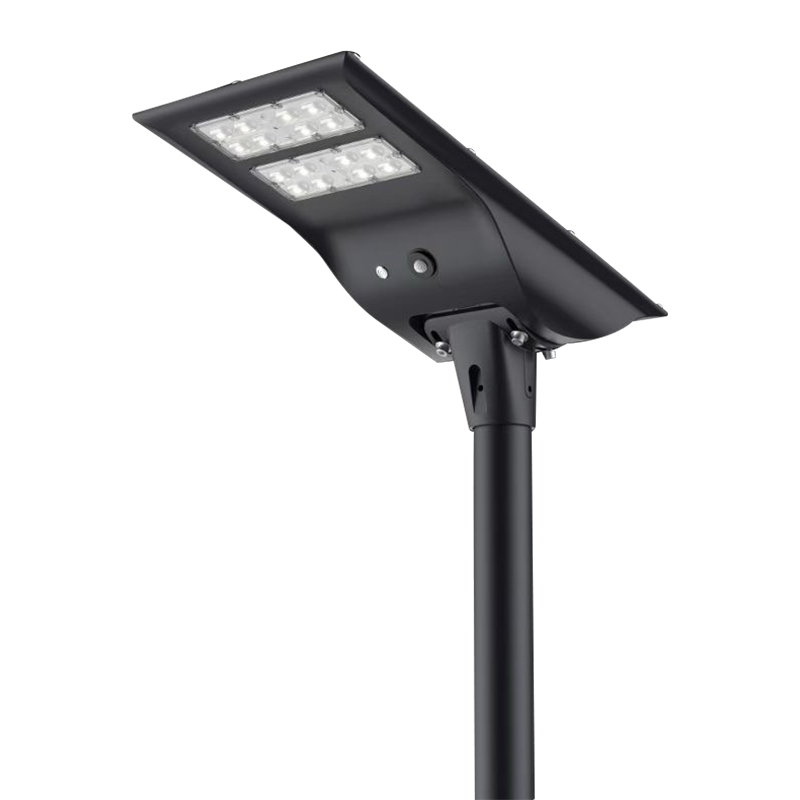
باتری مخزن انرژی یک چراغ خورشیدی است. ظرفیت، شیمی و شرایط آن بیش از هر مؤلفه منفرد دیگری سقف زمان اجرای شبانه احتمالی را تعیین می کند.
سه عنصر شیمیایی باتری بر بازار نور خورشیدی تسلط دارند که هر کدام دارای ویژگی های متفاوتی هستند که بر زمان اجرا، طول عمر و عملکرد در هوای سرد تأثیر می گذارد:
| نوع باتری | محدوده ظرفیت معمولی | چرخه زندگی | عملکرد هوای سرد | برنامه مشترک |
| نیکل متال هیدرید (NiMH) | 600 تا 2000 میلی آمپر ساعت | 500 تا 1000 سیکل | متوسط، 20 تا 30 درصد ظرفیت خود را در دمای 0 درجه سانتیگراد از دست می دهد | چراغ های باغ ورودی، چراغ های مسیر |
| لیتیوم یون (Li-ion) | 1000 تا 6000 میلی آمپر ساعت | 500 تا 800 سیکل | خوب، 15 تا 20 درصد در دمای 0 درجه سانتیگراد از دست می دهد | نورافکن های میان رده، چراغ های امنیتی |
| فسفات آهن لیتیوم (LiFePO4) | 1500 تا 10000 میلی آمپر ساعت | 2000 تا 4000 سیکل | عالی، 90٪ ظرفیت را در -20 درجه سانتیگراد حفظ می کند | چراغ های خیابانی خورشیدی ممتاز، سیستم های با عمر طولانی |
منبع: دانشگاه باتری، جدول مقایسه BU-107، Cadex Electronics، 2022.
یک چراغ خورشیدی با یک باتری 2000 میلی آمپر ساعتی NiMH با ولتاژ 1.2 ولت ذخیره 2.4Wh. همان فضای فیزیکی مورد استفاده برای a سلول لیتیوم یونی 2000 میلی آمپر ساعتی با ولتاژ 3.7 ولت 7.4 وات ساعت را ذخیره می کند که بیش از سه برابر انرژی است. به همین دلیل است که ارتقاء از NiMH به Li-ion در همان اندازه محصول میتواند بدون تغییر در اندازه پانل یا پیکربندی LED، زمان اجرا در شب را بیش از دو برابر کند.
تمام باتری های قابل شارژ به تدریج در طول عمر چرخه خود ظرفیت خود را از دست می دهند. یک باتری NiMH که در حالت جدید 8 ساعت کار می کند، ممکن است تنها 5 تا 6 ساعت پس از 500 چرخه شارژ ارائه دهد، که در یک چرخه در روز تقریباً برابر است. 18 ماه استفاده . باتریهای LiFePO4 بیش از 80 درصد ظرفیت اولیه را پس از 2000 چرخه حفظ میکنند (منبع: CATL Battery Technology Report، 2021)، که دوره اجرا با مشخصات کامل را تا پنج سال یا بیشتر دوچرخه سواری روزانه تعویض باتری در یک چراغ خورشیدی که کاهش زمان کار را نشان می دهد اغلب برای بازیابی کامل عملکرد اصلی بدون تعویض کل واحد کافی است.
چراغهای خورشیدی مدرن حالتهای عملیاتی متعددی را ارائه میکنند که به کاربران امکان میدهد روشنایی را با مدت زمان تغییر دهند یا نور را فقط در صورت نیاز فعال کنند. درک این حالت ها برای دریافت بیشترین ساعات نور از هر شارژ باتری ضروری است.
نور با روشنایی کاهش یافته (معمولاً 20 تا 40 درصد حداکثر خروجی) در طول شب روشن می ماند. این حالتی است که طولانیترین زمان اجرای مداوم را ارائه میکند و اغلب نور را به آن افزایش میدهد 10 تا 14 ساعت از یک باتری که تنها 4 تا 6 ساعت در روشنایی کامل دوام می آورد. ایده آل برای روشنایی مسیرها و کاربردهای تزئینی باغ که در آن محیط بیش از حداکثر خروجی لومن اهمیت دارد.
نور خاموش یا در روشنایی بسیار کم در حالت آماده به کار باقی می ماند تا زمانی که یک حسگر حرکتی PIR حرکت را تشخیص دهد، در این مرحله قبل از بازگشت به حالت آماده به کار، برای یک دوره تنظیم شده (معمولاً 20 تا 60 ثانیه) به روشنایی کامل تغییر می کند. زیرا نور فقط برای انفجارهای کوتاه با قدرت کامل است، مصرف کل انرژی در هر شب به طور چشمگیری کاهش می یابد ، به یک باتری که 6 ساعت با روشنایی کامل ثابت دوام می آورد اجازه می دهد تا به طور موثر یک شب کامل 10 تا 12 ساعته را در چندین رویداد فعال سازی پوشش دهد. این حالت برای امنیت، ورودی ها و راهروها ایده آل است.
همه کاره ترین و استانداردترین پیکربندی در چراغ های خورشیدی با کیفیت. این دستگاه در تمام شب در روشنایی کم (خروجی 5 تا 15 درصد) روشن می ماند تا نور محیط قابل مشاهده باشد، سپس با تشخیص حرکت به طور خودکار روشنایی کامل را افزایش می دهد. این حالت نور حضور ثابت را با بهره وری انرژی متعادل می کند و آن را به تنظیم پیش فرض توصیه شده برای اکثر برنامه های مسکونی در فضای باز تبدیل می کند.
| حالت عملیاتی | مصرف نسبی انرژی | زمان اجرا معمولی از شارژ کامل |
| روشنایی کامل ثابت | 100٪ (پایه) | 4 تا 6 ساعت |
| روشنایی کم ثابت | 20 تا 30 درصد | 10 تا 14 ساعت |
| فقط فعال سازی حرکت | میانگین 5 تا 15 درصد | به طور موثر در تمام شب با فعال سازی متناوب |
| حالت دوتایی (تقویت کم نور) | 15 تا 25 درصد متوسط | پوشش کامل شبانه در اکثر شرایط |
مصرف کنندگان اغلب بر اساس تجربه خود در طول یک فصل خاص یا یک سری روزهای ابری، عملکرد نور خورشیدی را قضاوت می کنند، بدون اینکه شرایط محیطی به طور چشمگیری تعادل انرژی را تغییر دهد.
پوشش نازک ابر تابش موثر خورشید را تقریباً کاهش می دهد 10 تا 25 درصد مقادیر آسمان صاف و ابر شدید آن را تا 5 درصد کاهش می دهد (منبع: سازمان جهانی هواشناسی، راهنمای ابزارها و روش های رصد، 2018). یک پنل خورشیدی که در یک روز تابستانی صاف 3 وات ساعت تولید می کند ممکن است تنها 0.3 تا 0.75 وات ساعت در یک روز ابری شدید تولید کند. این به طور مستقیم زمان اجرا در شب را کاهش می دهد. واحدهای باکیفیت با نسبت پنل به باتری بزرگتر، عملکرد بهتری را در دورههای ابری حفظ میکنند، زیرا در صورتی که باتری کاملاً خالی نشده باشد، ظرفیت ذخیرهسازی بافر بیشتری نسبت به روزهای آفتابی قبلی دارند.
در مناطق معتدل و عرض جغرافیایی شمالی، ترکیب روزهای کوتاهتر، زوایای کمتر خورشید و دماهای سرد می تواند زمان نور خورشیدی را کاهش دهد. کمتر از 2 تا 4 ساعت در اواسط زمستان برای واحدهایی که 8 تا 10 ساعت در تابستان تحویل می دهند. این یک نقص محصول نیست، بلکه بازتاب کاهش ورودی انرژی خورشیدی است. کاربران در مناطق با تغییرات فصلی قابل توجه باید چراغ های خورشیدی با ظرفیت باتری بالاتر و مساحت پانل بزرگتر را برای حفظ عملکرد قابل قبول زمستانی انتخاب کنند.
دماهای سرد به طور مستقیم مقدار انرژی را که یک باتری می تواند در هر چرخه شارژ ارائه کند، صرف نظر از میزان شارژ کامل آن کاهش می دهد. در دمای 0 درجه سانتیگراد، باتری های NiMH معمولاً تنها 70 تا 80 درصد ظرفیت نامی خود را ارائه می دهند و سلول های لیتیوم یونی 80 تا 85 درصد را ارائه می دهند (منبع: دانشگاه باتری، BU-501a، 2022). شیمی LiFePO4 در سرما پایدارترین است و تقریباً 90 درصد ظرفیت را در دمای 0 درجه سانتیگراد و 80 درصد در دمای 20- درجه سانتیگراد حفظ می کند و آن را به نوع باتری توصیه شده برای نصب در آب و هوای سرد تبدیل می کند.
پنل خورشیدی نور خورشید را به انرژی الکتریکی برای شارژ باتری تبدیل می کند. خروجی موثر آن به وات نامی آن، زاویه آن نسبت به خورشید و اینکه آیا سایه ای در ساعات اوج نور خورشید وجود دارد یا خیر بستگی دارد.
وات پنل و ظرفیت باتری باید متناسب باشد. یک دستورالعمل کلی طراحی این است که پنل باید بتواند باتری را به طور کامل شارژ کند 4 تا 6 ساعت اوج آفتاب برای اطمینان از شارژ کامل در یک روز معمولی روشن. به عنوان مثال، یک پنل 1 واتی که 5 وات ساعت را در 5 ساعت اوج خورشید تولید می کند، می تواند یک باتری 4 وات ساعتی را با تقریبا 80 درصد راندمان شارژ به طور کامل شارژ کند. پانلهایی که نسبت به ظرفیت باتری کمتر هستند، منجر به شارژ جزئی مزمن و کاهش زمان اجرا در شب میشوند.
یک پنل خورشیدی کج شده برای مواجهه با خورشید با زاویه بهینه انرژی بیشتری نسبت به پنل خورشیدی که صاف یا دور از خورشید مستقیم قرار دارد تولید می کند. زاویه شیب بهینه برای یک نصب ثابت تقریباً برابر با عرض جغرافیایی محل نصب است (منبع: NREL PVWatts Calculator Methodology، 2023). یک پانل نصب شده در زاویه شیب صحیح در یک موقعیت عرض جغرافیایی متوسط می تواند تولید کند 20 تا 30 درصد انرژی بیشتر سالانه در مقایسه با همان پانل نصب شده مسطح، که مستقیماً به روشنایی شبانه طولانی تر و ثابت تر تبدیل می شود.
سایه جزئی یک پنل خورشیدی تأثیر نامتناسب زیادی بر خروجی دارد زیرا سلولهای یک پنل به صورت سری به هم متصل هستند. فقط سایه زدن 10 درصد از سطح یک پانل می تواند خروجی کل را تا 50 درصد یا بیشتر بسته به پیکربندی سلول پانل کاهش دهد (منبع: Mermoud and Wittmer، "SHADING EFFECTS"، SUPSI-DACD-LEEE Technical Report، 2014). درختان، پیشروها، حصارها، و حتی فضولات پرندگان منابع رایج سایهاندازی جزئی هستند که کاربران معمولاً هنگام تشخیص زمان اجرا ضعیف نادیده میگیرند. قبل از اینکه تصور کنید یک محصول معیوب است، بررسی کنید که پانل هر روز نور مستقیم خورشید را برای کل پنجره اوج خورشید دریافت می کند.
منبع نور LED باری است که باتری را در طول شب پایین می آورد. بازده LED که بر حسب لومن بر وات اندازه گیری می شود، تعیین می کند که چه مقدار نور مرئی در واحد انرژی مصرف شده باتری تولید می شود.
تراشههای LED با کیفیت بالا که در چراغهای خورشیدی فعلی استفاده میشوند به سطوح کارایی دست مییابند 120 تا 200 لومن بر وات (منبع: وزارت انرژی ایالات متحده، طرح تحقیق و توسعه روشنایی حالت جامد، 2022). این بدان معناست که یک LED 0.5W می تواند 60 تا 100 لومن نور مفید تولید کند که برای روشنایی مسیر و روشنایی برجسته باغ کافی است. یک تراشه LED با راندمان پایینتر که تنها 80 لومن در هر وات تولید میکند، برای تولید همان خروجی باید 0.75 وات مصرف کند و برای روشنایی یکسان، زمان کارکرد باتری را تا 33 درصد کاهش میدهد.
انتخاب یک نور خورشیدی با خروجی لومن بسیار بیشتر از آنچه برنامه مورد نیاز است، یکی از دلایل رایج زمان اجرا کوتاه تر از حد انتظار است. محدوده های لومن زیر به عنوان راهنمای عملی انتخاب عمل می کنند:
| برنامه | محدوده لومن توصیه شده | کشش برق LED معمولی |
| لهجه تزئینی باغ | 5 تا 50 لومن | 0.05 تا 0.4W |
| روشنایی مسیر و پله | 50 تا 200 لومن | 0.4 تا 1.5W |
| امنیت و روشنایی ورودی | 200 تا 800 لومن | 1.5 تا 6 وات |
| نورپردازی مسیر و حیاط | 800 تا 3000 لومن | 6 تا 25 وات |
| روشنایی خیابان و محوطه | 3000 تا 10000 لومن | 25 تا 80 وات |
انتخاب یک نور مسیر با 800 لومن در برنامهای که 100 لومن کافی است، باتری را هشت برابر سریعتر خالی میکند، بدون اینکه فایدهای عملی داشته باشد. اندازه مناسب خروجی لومن مطابق با نیاز واقعی یکی از ساده ترین و موثرترین راه ها برای به حداکثر رساندن زمان اجرا در شب است.
برای کاربرانی که میخواهند هر شب بیشترین ساعات روشنایی را از چراغهای خورشیدی خود دریافت کنند، مراحل عملی زیر تفاوت قابل اندازهگیری ایجاد میکند:
اصطلاح نور خورشیدی طیف وسیعی از محصولات از لهجههای تزئینی کوچک باغی گرفته تا چراغهای زیرساختی در مقیاس بزرگ را پوشش میدهد. ویژگی های زمان اجرا آنها به طور قابل توجهی متفاوت است.
اینها معمولا استفاده می کنند 600 تا 1200 میلی آمپر ساعت NiMH یا باتری های لیتیوم یون کوچک با پانل های یکپارچه 0.5W تا 2W. زمان اجرا 6 تا 8 ساعت در تنظیمات روشنایی کم استاندارد است. آنها برای سادگی و هزینه کم به جای حداکثر قابلیت اطمینان زمان اجرا بهینه شده اند و عملکرد آنها نسبت به تغییرات روزانه نور خورشید حساس ترین است.
چراغ های امنیتی میان رده با پنل های 5 وات تا 15 وات و باتری های لیتیوم یونی 10000 تا 20000 میلی آمپر ساعتی پوشش تمام شب در حالت فعال سازی حرکتی در اکثر اقلیم ها در حالت روشن ثابت با روشنایی متوسط، زمان اجرا 8 تا 10 ساعت معمول است. این واحدها دارای بافر باتری کافی برای حفظ عملکرد تمام شب در طول یک تا دو روز متوالی ابری بدون کاهش قابل توجه زمان اجرا هستند.
چراغهای خیابانی خورشیدی حرفهای از باتریهای LiFePO4 با ظرفیت 50 وات ساعت تا 300 وات ساعت همراه با پانلهای مونو کریستال 20 وات تا 100 وات استفاده میکنند. آنها طوری طراحی شده اند که روشنایی تمام شب را حفظ کنند 3 تا 5 روز متوالی ابری بدون ورودی خورشیدی، یک پارامتر طراحی به نام روزهای استقلال. زمان اجرا در خروجی طراحی معمولاً دقیقاً مطابق با طولانیترین شب سال در عرض جغرافیایی نصب میشود و پوشش کل شب را در تمام طول سال تضمین میکند.
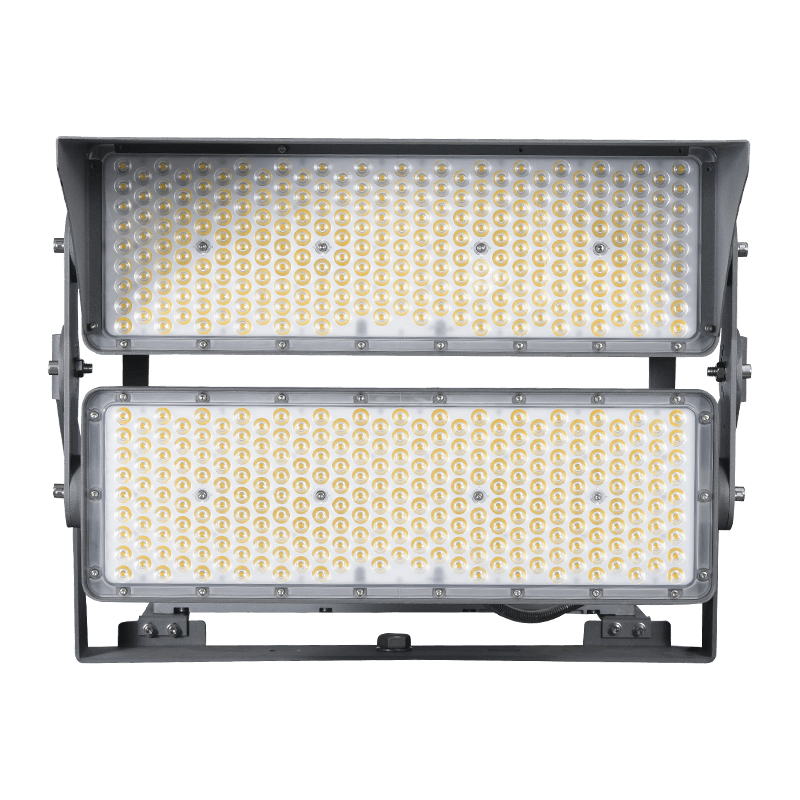
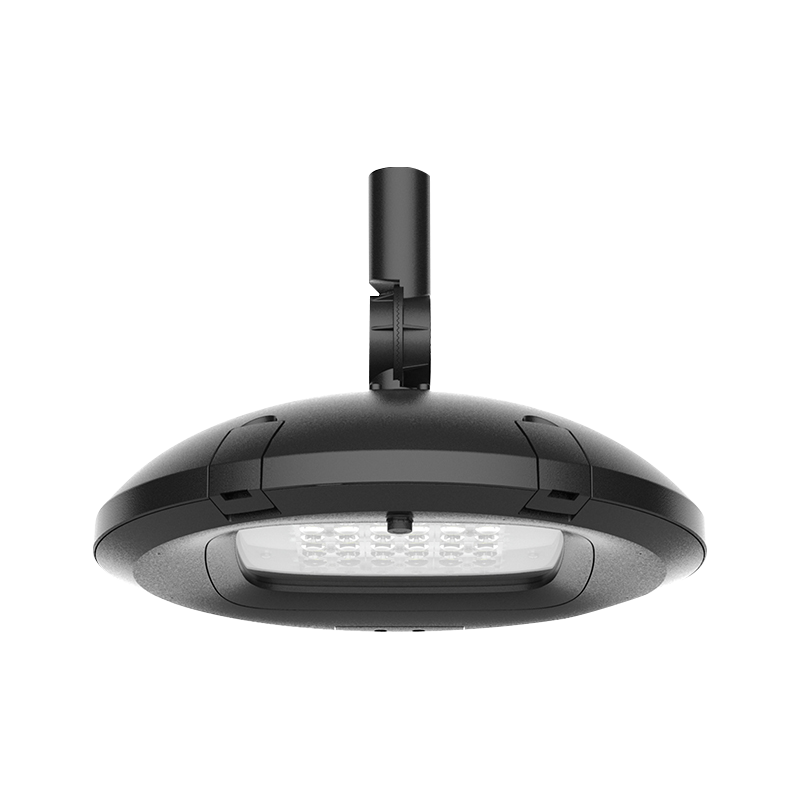
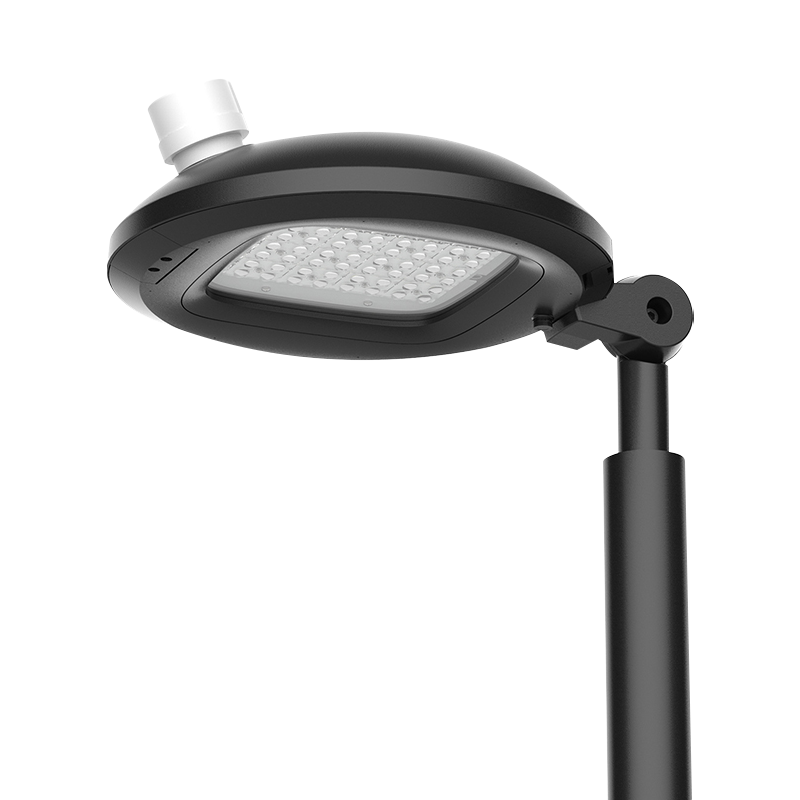
را نور خورشیدی محدوده در podacn.com هر سه دسته را پوشش میدهد، از چراغهای باغی و مسیری فشرده گرفته تا نورافکنهای امنیتی با خروجی بالا و سیستمهای چراغ خیابانی تجاری خورشیدی، با مشخصات محصول از جمله توان پانل، ظرفیت باتری، حالتهای عملکرد و زمان اجرا رتبهبندی شده که به وضوح برای تطبیق دقیق برنامهها ارائه شده است.
هنگامی که یک نور خورشیدی از زمان اجرای نامی خود کمتر کار می کند، علت تقریباً همیشه به یکی از عوامل زیر قابل ردیابی است نه نقص اساسی محصول:
ارزش تمایز را دارد زمان اجرا شبانه (چند ساعت در شب روشن می شود) و طول عمر محصول (چند سال این واحد فعال می ماند). اینها اقدامات جداگانه ای هستند که اغلب با هم مخلوط می شوند.
منابع نور LED در چراغ های خورشیدی با کیفیت رتبه بندی می شوند 25000 تا 50000 ساعت عملیات (منبع: طرح تحقیق و توسعه DOE SSL ایالات متحده، 2022). در 8 ساعت در شب، یک LED 25000 ساعته تقریباً دوام می آورد 8.5 سال قبل از رسیدن به نقطه نیمه روشنایی امتیازی خود. خود پنل خورشیدی تقریباً 0.5 تا 0.7 درصد در سال در بازده خروجی کاهش می یابد (منبع: جردن و کورتز، "نرخ تخریب فتوولتائیک"، گزارش فنی NREL، 2012)، به این معنی که پانل با خروجی 100 درصد در سال اول تقریباً تولید خواهد کرد. 93 تا 95 درصد تولید اولیه خود در سال دهم . باتری، همانطور که گفته شد، معمولاً اولین جزء است که نیاز به تعویض دارد، معمولاً بعد از 2 تا 5 سال بسته به شیمی و فرکانس دوچرخهسواری.
بنابراین یک چراغ خورشیدی که به خوبی نگهداری می شود با تعویض باتری در فاصله زمانی مناسب می تواند در استفاده مفید باقی بماند. 10 سال یا بیشتر ، هزینه شبانه روشنایی خورشیدی را در طول عمر عملیاتی آن در مقایسه با جایگزین های برقی که مستلزم هزینه های برق مداوم هستند، بسیار کم می کند.
با کنار هم قرار دادن تصویر کامل، زمان اجرای شبانه یک نور خورشیدی با تعامل شش متغیر اصلی تعیین میشود که هر کدام را میتوان درک، اندازهگیری و بهینه کرد:
برای روشنایی خورشیدی مطمئن و طولانی مدت در کاربردهای مسکونی، تجاری و زیرساختی، انتخاب محصولی با ظرفیت باتری و توان پانل مناسب برای عرض جغرافیایی و فصل خاص شما مهمتر از هر مشخصات دیگری است. کامل را کاوش کنید نور خورشیدی در podacn.com برای مشخصات فنی دقیق از جمله نوع باتری، وات پانل، حالتهای عملکرد، و زمان اجرا رتبهبندی شده برای یافتن منطبق مناسب با نیازهای نصب خود، محدوده کنید.
عصر جمعه در دادگاه محله، نیمی از بازیکنان دیگر نمی آیند. سبد دور در سایه قرار می گیرد، قطب نور......
READ MOREاگر چراغ قوه، چراغ کار یا فانوس های کوچک را با هم مقایسه کرده باشید، احتمالاً 450 لومن چاپ شده......
READ MOREعدد شروع صادقانه گسترده است: یک پروژه کامل روشنایی زمین بیسبال معمولا بین 40000 تا 420000 دلار......
READ MOREانتخاب نور مناسب زمین بسکتبال به یک نتیجه می رسد: نورافکن های LED بهترین تعادل را در عملکرد، م......
READ MORE
محصولات ما
در تماس باشید
13777012108-86+
(WhatsApp/WeChat)
export@polaryang.cn
+86-574-65167530
شهر Xue'ao Qiangjiao، شهرستان Ninghai، Ningbo، ژجیانگ، چین
تماس با ما
